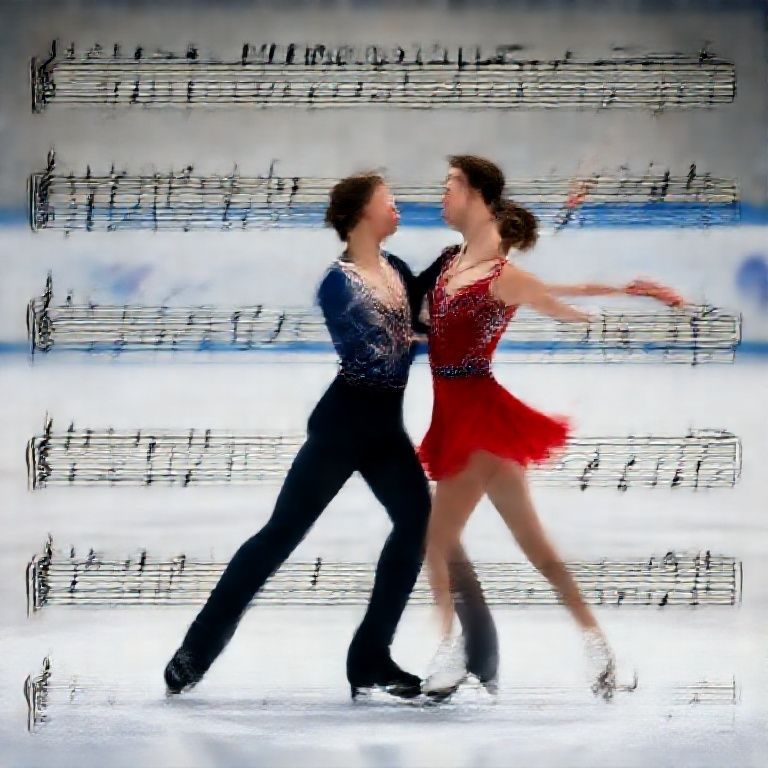
Czech ice dance duo Katerina Mrazkova and Daniel Mrazek recently showcased their talents at the Olympics, but their performance has been overshadowed by a significant controversy. The couple incorporated music generated by a large language model (LLM) into their routine, only to encounter unexpected issues of plagiarism. This incident raises important questions about the implications of using AI-created content in creative fields such as dance and music.
As artists increasingly turn to AI tools for inspiration and creation, the boundaries of originality are being tested. In the case of the Mrazkova and Mrazek duo, they inadvertently highlighted the risks associated with relying on AI systems that may unintentionally produce derivative works. As LLMs continue to evolve, artists and creators must grapple with the challenge of ensuring their work remains distinct and free from potential copyright infringement.
This incident at the Olympics serves as a cautionary tale for performers and content creators alike. The integration of AI in the arts offers exciting opportunities, but it also necessitates a deeper understanding of the ethical and legal implications of using AI-generated materials. Moving forward, it will be crucial for artists to navigate the complexities surrounding AI and originality, perhaps prompting industry discussions on best practices and guidelines to safeguard creative integrity.
Why This Matters
This development signals a broader shift in the AI industry that could reshape how businesses and consumers interact with technology. Stay informed to understand how these changes might affect your work or interests.