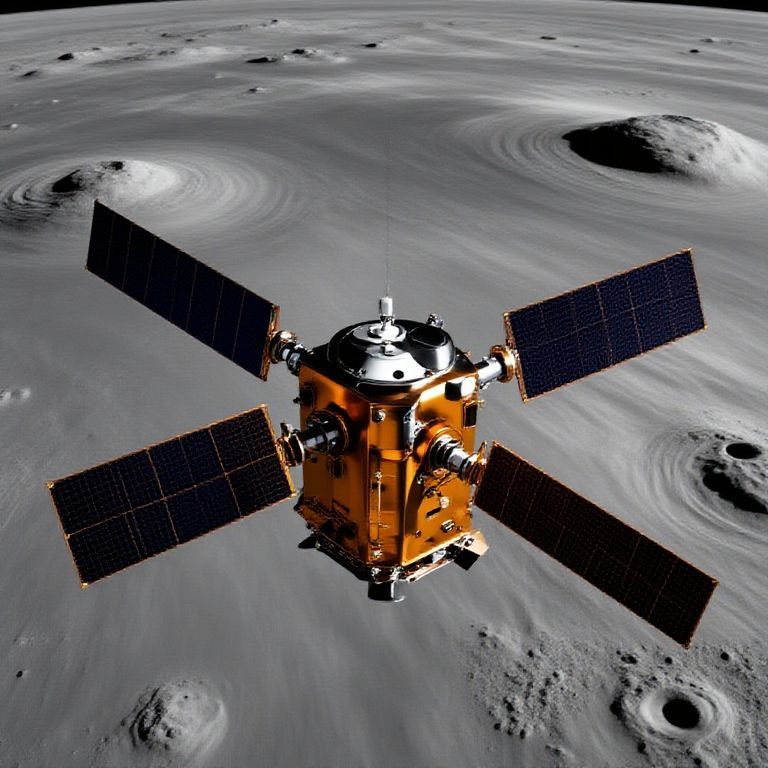
Elon Musk, during a recent employee meeting, emphasized ambitious plans for xAI, suggesting the establishment of a lunar manufacturing facility. This factory is envisioned to create artificial intelligence satellites and deploy them into space using a giant catapult—a bold idea that reflects Musk's vision for advancing technology beyond Earth. This move could mark a significant leap in AI and aerospace convergence.
The discussion comes at a pivotal time, as Musk navigates challenges at xAI, highlighted by the departure of key co-founders. Their exit raises questions about leadership and vision continuity at the company, especially with an IPO on the horizon. Musk's proposals could potentially reframe the narrative around the company's future, positioning it as a leader in innovative space technology.
Not only does this concept signify a daring exploration into manufacturing beyond our planet, but it also raises important policy and ethical implications for AI deployment in space. As such ideas gain traction, the dialogue around the environmental and socioeconomic impacts of extraterrestrial resource utilization necessitates careful consideration, making this topic ripe for further discussion in the tech and policy realms.
Why This Matters
This development signals a broader shift in the AI industry that could reshape how businesses and consumers interact with technology. Stay informed to understand how these changes might affect your work or interests.