Understanding the Anthropic Mythos Model
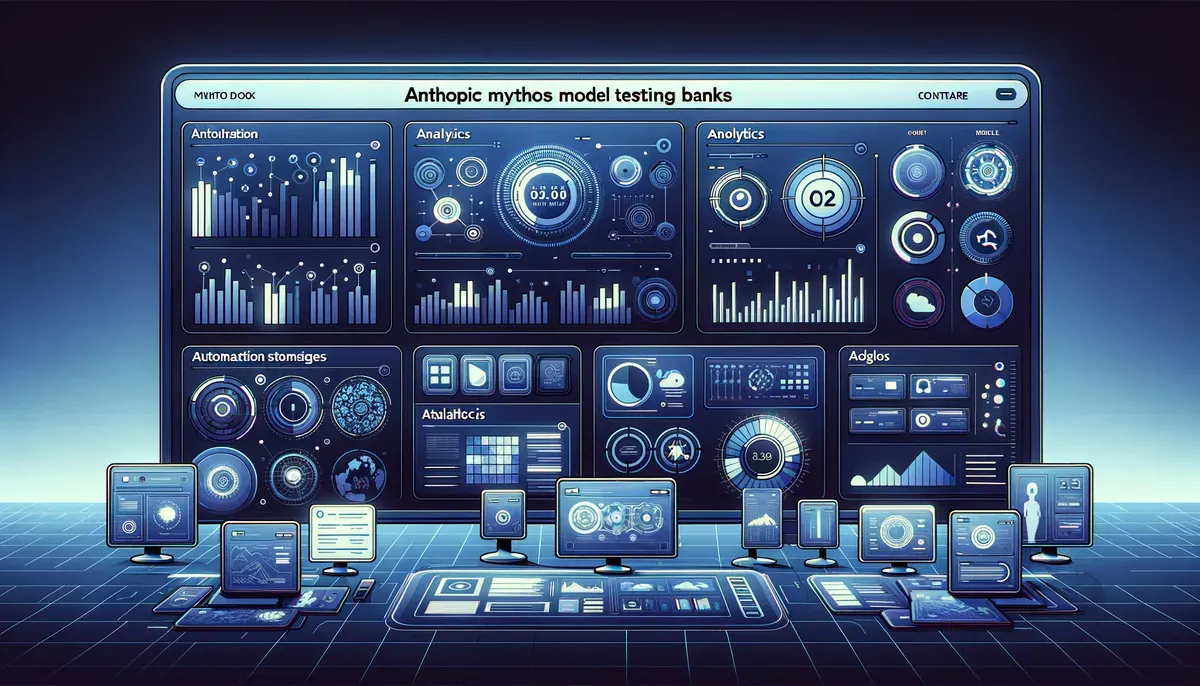
The Anthropic Mythos model marks a pivotal development in the use of artificial intelligence within the financial sector. Designed to evaluate and enhance decision-making processes, this model simulates various financial scenarios. As banks grapple with pressures to optimize operations and mitigate risks, adopting AI tools like the Mythos model becomes increasingly essential.
At its core, the model employs anthropic reasoning, emphasizing human-centered AI development. This approach allows financial institutions to align AI applications closely with human values and desired outcomes. By harnessing this technology, banks have the potential to boost efficiency and minimize the risk of financial misjudgments.
Recent endorsements from influential figures, including suggestions from Trump officials to encourage banks to test the Mythos model, have prompted institutions to take a closer look at its capabilities. However, this enthusiasm exists alongside concerns about its implications, particularly since the Department of Defense has classified Anthropic as a supply-chain risk.
How Banks Are Testing AI Tools
Banks are steadily incorporating AI tools to streamline processes and enhance customer experiences. The testing of the Anthropic Mythos model is part of this trend, with financial institutions experimenting with its predictive capabilities and risk assessment functions.
Some practical applications of how banks are utilizing the Mythos model include:
- Risk Assessment: Banks can deploy the model to simulate market fluctuations and evaluate potential risks. For example, by forecasting how various economic scenarios might affect loan defaults, financial institutions can make more informed lending decisions.
- Fraud Detection: The AI analyzes transaction patterns to spot anomalies that may indicate fraudulent activities. This proactive strategy helps banks reduce losses and safeguard their customers.
- Customer Insights: By processing extensive datasets, the Mythos model aids banks in understanding customer behavior and preferences, leading to personalized service offerings and enhanced customer satisfaction.
While pricing for implementing such AI tools can vary greatly based on deployment scale and integration complexity, banks should weigh the long-term savings from improved efficiencies against the potential for increased revenue through enhanced customer service.
Implications of AI in the Financial Sector
The implications of AI in banking are significant, particularly with tools like the Anthropic Mythos model at the forefront. The financial sector is undergoing a transformation fueled by AI, leading to:
- Operational Efficiency: Automating routine processes frees up human resources for more strategic tasks. This shift not only enhances productivity but also reduces operational costs.
- Enhanced Decision-Making: AI tools deliver data-driven insights that inform strategic decisions, from risk management to investment strategies. Banks can make quicker and more accurate decisions based on predictive analytics.
- Regulatory Challenges: Introducing AI into banking raises compliance challenges. Financial institutions must ensure that their AI practices meet existing regulations and address ethical concerns related to bias and transparency.
As banks navigate these implications, balancing innovation with regulatory compliance is vital for maintaining trust with customers and regulators alike.
Exploring AI Supply Chain Risk Management
The convergence of AI and supply chain risk management is becoming increasingly important as banks seek to mitigate disruptions and ensure operational continuity. The Department of Defense's warning about Anthropic as a supply-chain risk underscores the necessity of carefully evaluating AI providers.
Banks can use the Mythos model to:
- Assess Supply Chain Vulnerabilities: By simulating potential disruptions and their impacts on operations, banks can prepare better for unforeseen events.
- Enhance Collaboration: AI facilitates more effective communication and collaboration across departments and external partners, providing a comprehensive view of supply chain dynamics.
- Optimize Resource Allocation: Understanding risks enables banks to allocate resources more efficiently, ensuring that critical areas are bolstered against potential threats.
Integrating AI tools for supply chain risk management empowers banks to navigate complexities while maintaining resilience in their operations.
Future of AI Tools in Banking
The future of AI tools in banking looks promising, particularly with advancements in models like Anthropic's Mythos. As technology continues to evolve, we can anticipate further innovations that will redefine banking operations. Key trends to monitor include:
- Increased Adoption of AI: More banks are likely to embrace AI tools for various functions, from customer service chatbots to comprehensive risk management systems.
- Focus on Ethical AI: With growing scrutiny on AI ethics, banks will need to prioritize transparency and fairness in their AI implementations to nurture customer trust.
- Integration with Blockchain: The synergy between AI and blockchain technology could enhance security and efficiency in financial transactions.
For banking professionals and decision-makers, staying informed about these trends will be crucial to effectively leverage AI tools and ensure their institutions remain competitive.
As banks explore the Anthropic Mythos model and other AI tools, weighing the benefits against potential risks is essential. The decision to implement such technologies should stem from a thorough evaluation of their implications and alignment with the institution's strategic goals. For banks looking to improve their operations, investing in AI could yield a substantial competitive advantage.
Why This Matters
This development signals a broader shift in the AI industry that could reshape how businesses and consumers interact with technology. Stay informed to understand how these changes might affect your work or interests.