
Introduction to Multi-Agent AI Systems
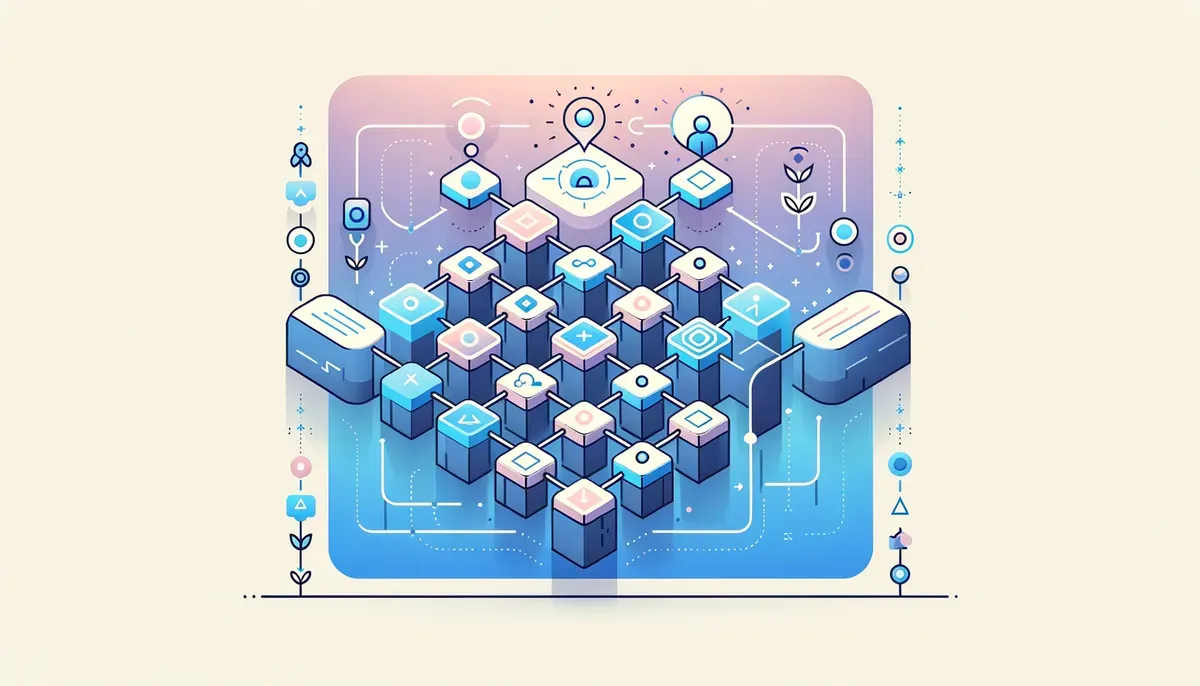
In our increasingly automated world, multi-agent AI systems are essential for optimizing workflows and enhancing productivity. These systems consist of multiple intelligent agents that can collaborate and perform tasks autonomously. However, building such systems can be complex and daunting for many business owners and developers. Fortunately, tools like SmolAgents offer a streamlined approach, enabling users to harness the power of collaborative AI agents without needing extensive coding expertise. This article guides you through the process of building multi-agent AI systems using SmolAgents, focusing on key aspects such as dynamic orchestration, code execution, and custom tool design.
Step-by-Step Guide to Using SmolAgents
To get started with SmolAgents, you'll need to set up your development environment. The installation process is user-friendly, and you can have your system ready in just a few minutes. Here’s a clear step-by-step guide:
- Install Dependencies: Make sure you have Python installed on your machine. Use pip to install SmolAgents along with any necessary libraries.
- Set Up Your Project: Create a new project directory and initialize your SmolAgents environment.
- Define Agent Roles: Plan and define the roles for each agent in your system. Think about what tasks each agent will perform and how they will interact with one another.
- Design Workflows: Outline the workflows that agents will follow, including defining communication protocols and decision-making processes.
For a more detailed implementation, you can refer to the SmolAgents tutorial.
Dynamic Tool Management in AI Agents
One significant feature of multi-agent systems is dynamic tool management. SmolAgents supports this by allowing you to create and integrate various tools for agents to utilize during execution. This capability enhances flexibility and responsiveness within your AI systems.
Key Features of Dynamic Tool Management:
- Tool Calling: Agents can invoke specific tools based on their current tasks, boosting efficiency.
- Adaptability: Tools can be added or modified on-the-fly, allowing agents to adapt to new challenges without extensive reprogramming.
- Resource Optimization: By managing tools dynamically, agents can utilize resources more effectively, leading to cost savings.
This feature is particularly beneficial for businesses aiming to streamline operations in areas like customer service or data analysis.
Code Execution Techniques for AI Agents
Incorporating code execution capabilities into your multi-agent system is crucial for enabling complex operations. SmolAgents facilitates this through a straightforward coding interface, allowing agents to execute scripts written in Python or other supported languages.
Advantages of Code Execution in AI Agents:
- Enhanced Performance: Agents can perform intricate calculations or data processing tasks in real-time.
- Custom Logic Implementation: You can embed custom logic tailored to your business needs, making agents more effective.
- Integration with Other Systems: Code execution enables agents to interact with external databases or APIs, enhancing their overall functionality.
Whether automating a sales process or managing logistics, these execution capabilities can significantly improve your operational efficiency.
Designing Custom Tools for Enhanced Functionality
To maximize the potential of your multi-agent AI system, consider designing custom tools tailored to your specific requirements. SmolAgents provides a modular architecture that simplifies the development and integration of these tools.
Steps to Design Custom Tools:
- Identify Business Needs: Analyze your operations to determine which tools would provide the most value.
- Tool Development: Use existing libraries or create new tools that your agents can utilize for specific tasks.
- Integration Testing: Ensure that custom tools work seamlessly with your agents and other components of the system.
By implementing custom tools, you can enhance the capabilities of your AI agents and align them more closely with your business objectives.
Future Directions
Building multi-agent AI systems with SmolAgents opens up many possibilities for businesses aiming to improve efficiency and reduce costs. With its focus on dynamic orchestration, code execution, and custom tool design, SmolAgents serves as a practical solution for developers and organizations alike.
As you explore the implementation of these systems, consider the rapidly evolving landscape of AI technologies. Staying updated on advancements in collaborative AI will help you fully leverage your multi-agent systems and adapt them to future challenges.
Key Takeaway
If you're a business owner, developer, or operations manager looking to enhance your processes through AI, investing time in how to build multi-agent AI systems with SmolAgents is a valuable endeavor. By following the steps outlined in this guide, you can create a robust, production-ready agentic system that boosts productivity and drives innovation within your organization.
Why This Matters
Mastering AI-powered workflows gives you a competitive edge in today's fast-paced environment. These insights can help you work smarter, not harder.