
Understanding Controlled AI Adoption
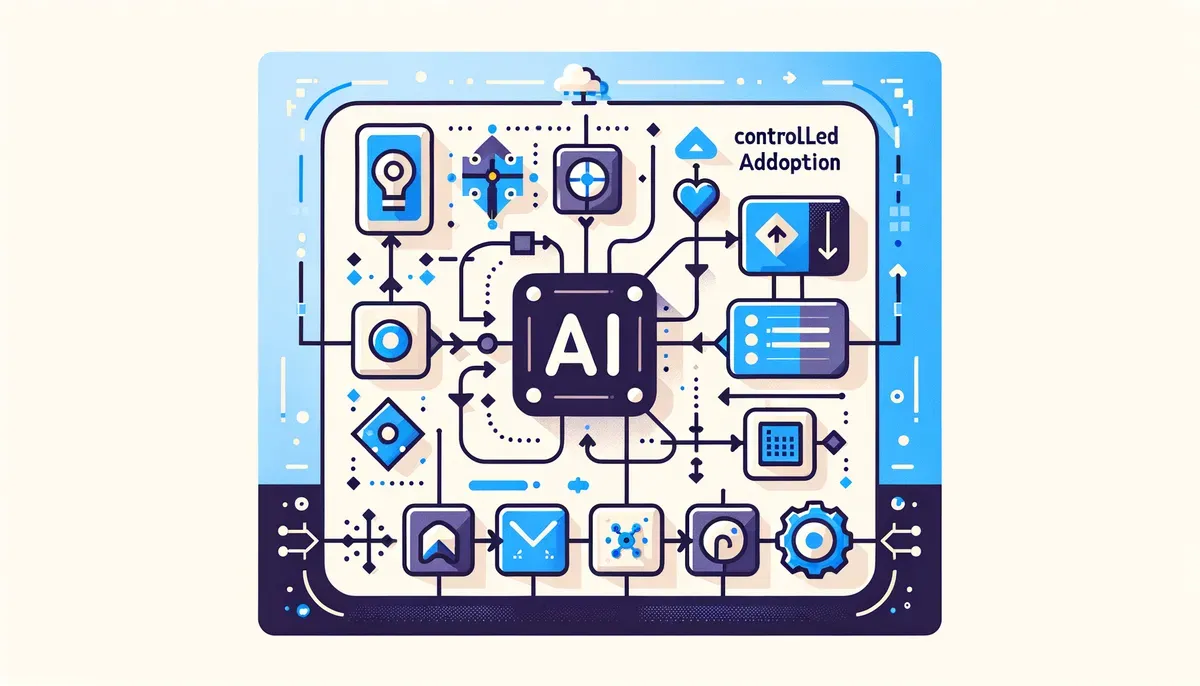
As businesses increasingly integrate artificial intelligence into their operations, the focus has shifted towards controlled AI adoption. Companies are discovering that while AI can enhance efficiency and decision-making, it also introduces risks that can lead to significant financial and legal repercussions. This makes a controlled approach to AI systems essential, particularly in sectors like finance and healthcare, where mistakes can be costly. This strategy emphasizes the development of AI tools that support human decision-making rather than replacing it entirely.
By maintaining control over AI outputs, organizations can harness the benefits of automation while ensuring that decisions align with business objectives and regulatory requirements. This balance is critical as businesses navigate the complexities of AI implementation and strive to maximize their returns on investment.
Best AI Tools for Decision Making
Selecting the right AI tools is crucial for effective decision support. The best AI tools for decision making combine advanced analytics, data processing capabilities, and user-friendly interfaces. Here are some noteworthy options:
| Tool Name | Key Features | Pricing | Best For |
|---|---|---|---|
| IBM Watson | Natural language processing, predictive analytics | Starting at $0 for Lite | Large enterprises |
| Microsoft Azure AI | Integrates with existing Microsoft services | Pay-as-you-go pricing | Businesses using Microsoft tools |
| Tableau | Data visualization, real-time analytics | Starting at $70/user/month | Data-driven organizations |
| DataRobot | Automated machine learning, model deployment | Contact for pricing | Companies needing rapid deployment |
| Salesforce Einstein | AI-driven CRM insights | Included in Salesforce plans | Sales and marketing teams |
These tools provide a range of capabilities that help organizations make informed decisions, minimize risks, and improve overall efficiency. By implementing controlled AI systems, businesses can leverage these tools to support human decision-making without sacrificing oversight.
Strategies for Minimizing AI Risks
Minimizing risks associated with AI adoption is paramount for businesses. Here are some effective AI adoption strategies for businesses that can help mitigate potential pitfalls:
- Establish Clear Governance: Create a governance framework that defines roles, responsibilities, and processes for AI decision-making.
- Implement Transparency: Ensure AI algorithms and processes are transparent to stakeholders, which builds trust and fosters accountability.
- Conduct Regular Audits: Periodic audits of AI systems can help identify biases and operational flaws, allowing for timely corrections.
- Training and Education: Equip employees with the necessary skills to understand and manage AI tools effectively, enhancing both usage and oversight.
- Pilot Programs: Start with pilot projects to test AI implementations at a smaller scale before full deployment, allowing for adjustments and learning.
By following these strategies, businesses can create a more secure environment for AI applications while maximizing their benefits.
Balancing AI Autonomy with Control
Finding the right balance between AI autonomy and human control is critical. Autonomous systems can enhance efficiency, but they also require careful management to prevent errors and ensure alignment with company goals. Here are some methods for achieving this balance:
- Human-in-the-loop Systems: These systems allow humans to oversee AI decisions, providing an additional layer of scrutiny and ensuring that critical decisions are vetted.
- Feedback Mechanisms: Establish feedback loops where AI outputs are continuously evaluated and refined based on human input, leading to improved performance over time.
- Set Boundaries: Define clear parameters within which AI can operate autonomously while retaining human oversight for high-stakes decisions.
By implementing these strategies, organizations can leverage the strengths of AI while maintaining control over its outputs.
Sector-Specific AI Implementation Approaches
Different sectors face unique challenges and requirements when it comes to AI adoption. Here are some sector-specific approaches:
- Healthcare: Focus on AI tools that enhance diagnostic accuracy and patient management while ensuring compliance with healthcare regulations.
- Finance: Utilize AI for fraud detection and risk assessment but maintain rigorous control mechanisms to prevent erroneous transactions and ensure regulatory compliance.
- Retail: Implement AI-driven inventory management and customer insights, balancing automation with human oversight to maintain quality service.
- Manufacturing: Use AI for predictive maintenance and quality control, but involve human operators in decision-making processes to handle exceptions and anomalies effectively.
Adopting a tailored approach based on sector-specific needs will help businesses implement controlled AI systems more effectively and responsibly.
Why This Matters
This development signals a broader shift in the AI industry that could reshape how businesses and consumers interact with technology. Stay informed to understand how these changes might affect your work or interests.