
Understanding Controlled AI Adoption
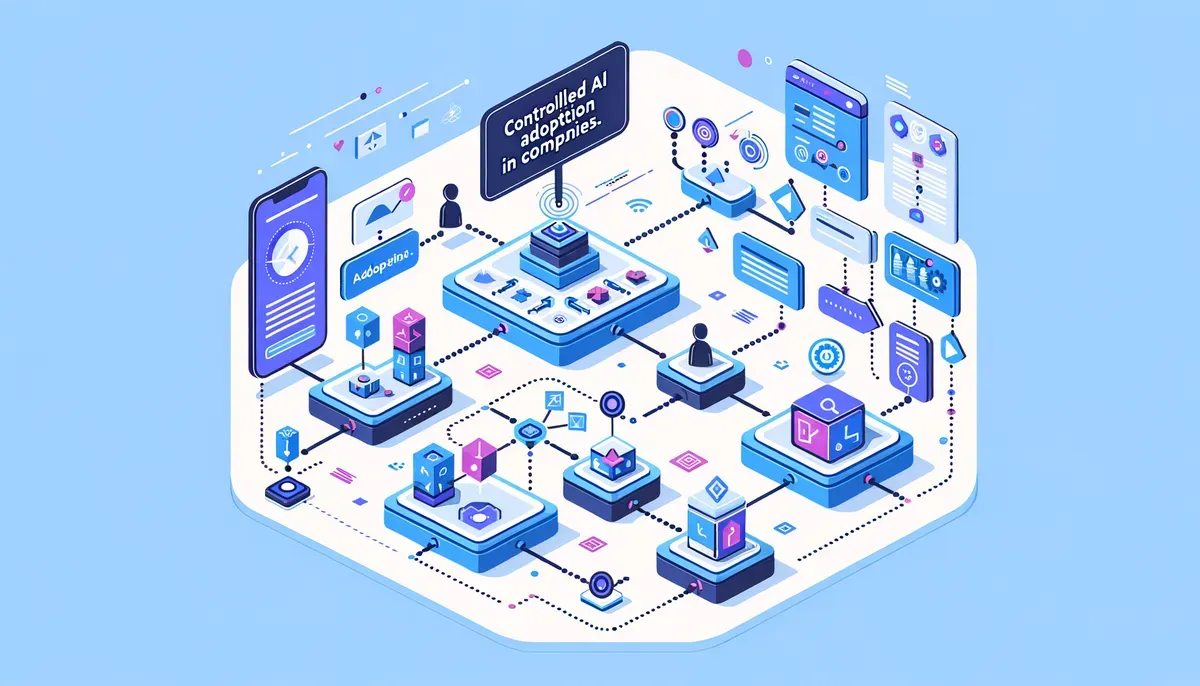
As businesses increasingly integrate AI tools into their operations, a significant trend has emerged: companies are adopting AI solutions while maintaining control over their processes. This approach is especially important in sectors where errors could lead to substantial financial or legal consequences. Controlled AI adoption enables organizations to harness the potential of autonomous systems while ensuring that human oversight remains a priority. Not only does this strategy enhance decision-making, but it also helps mitigate risks associated with full automation.
Recent research shows that many organizations prefer a gradual integration of AI technologies, focusing on systems that assist rather than replace human decision-makers. By taking this route, businesses can leverage AI’s capabilities to boost efficiency without sacrificing accountability. In this article, we explore effective strategies for implementing controlled AI systems in your organization, emphasizing best practices and tools that support this balanced approach.
Key Strategies for Implementing AI Systems
To successfully implement controlled AI systems, businesses should consider the following strategies:
- Define Clear Objectives: Organizations should start by identifying specific goals for AI integration. Whether the aim is to improve customer service, streamline operations, or enhance data analysis, having clear objectives will guide the selection and implementation of AI tools.
- Incorporate Human Oversight: Controlled AI systems should be designed to support human decision-makers. This means ensuring that AI outputs can be easily interpreted and acted upon by employees, who can provide the necessary context and judgment.
- Implement Feedback Mechanisms: Establish processes that allow users to provide feedback on AI performance. A continuous feedback loop can refine AI algorithms, enhancing effectiveness over time.
- Invest in Training: Equip your team with the skills to work alongside AI tools. Training programs should focus on interpreting AI insights and making informed decisions based on them.
- Monitor Legal Compliance: Given the potential legal implications of using AI, businesses need to stay updated on regulations affecting AI use in their sectors. Understanding data privacy laws, liability, and ethical considerations is crucial.
By following these strategies, organizations can create a structured framework that balances the advantages of AI with necessary oversight.
Balancing Autonomy and Control in AI
The challenge of controlled AI adoption lies in finding the right balance between autonomy and control. While autonomous systems can process vast amounts of data and provide actionable insights, unchecked autonomy can lead to unforeseen consequences.
To maintain this balance, consider the following practices:
- Use AI as a Decision Support Tool: Rather than allowing AI to make independent decisions, employ it as a support system that provides recommendations based on data analysis. This ensures that human judgment remains central to the process.
- Establish Decision-Making Protocols: Clearly define which decisions can be made autonomously by AI and which require human intervention. This clarity helps manage expectations and accountability.
- Conduct Regular Audits: Regularly review AI outputs to ensure they align with organizational goals and ethical standards. Audits can help identify areas where AI may need adjustments to remain effective and compliant.
By implementing these practices, businesses can foster an environment where AI enhances decision-making without compromising control.
Best AI Tools for Decision Making
When evaluating the best AI tools for decision making, consider these options that support controlled AI adoption:
| Tool Name | Key Features | Pricing Model | Best For |
|---|---|---|---|
| IBM Watson | Natural language processing, data analysis | Subscription-based | Enterprises seeking advanced AI |
| Microsoft Azure AI | Robust machine learning capabilities, flexible API integrations | Pay-as-you-go | Businesses needing scalability |
| Tableau | Data visualization, AI-powered analytics | Subscription-based | Companies focused on data insights |
| Salesforce Einstein | AI-driven customer relationship management | Tiered pricing | Sales teams looking to enhance customer engagement |
| Google Cloud AI | Comprehensive AI tools for various applications | Pay-as-you-go | Developers and data scientists |
These tools not only enhance decision-making but also allow for human oversight, making them suitable for organizations seeking controlled AI systems.
Minimizing Legal Risks with AI Solutions
Legal risks associated with AI adoption can be daunting. To mitigate these risks, businesses should implement AI solutions that prioritize compliance and ethical practices. Here are some effective strategies:
- Data Privacy Compliance: Ensure that AI tools adhere to data protection regulations such as GDPR or CCPA. This includes implementing measures for data anonymization and ensuring user consent.
- Transparency in AI Decisions: Use AI systems that provide clarity on how decisions are made. This transparency helps organizations justify AI-driven decisions and reduce liability.
- Regular Risk Assessments: Conduct frequent assessments of AI systems to identify potential legal risks. This proactive approach allows businesses to address issues before they escalate.
By adopting these practices, companies can leverage AI while minimizing legal risks and ensuring compliance with relevant laws.
Sector-Specific Approaches to AI Implementation
Different sectors face unique challenges and opportunities regarding AI adoption strategies. Here’s a brief overview of sector-specific approaches:
- Healthcare: AI tools can enhance diagnostic accuracy and patient care, but strict regulations necessitate careful implementation. Solutions must prioritize patient privacy and comply with healthcare laws.
- Finance: In finance, AI can streamline processes and improve risk assessment. However, organizations must navigate complex regulations related to data usage and algorithmic transparency.
- Manufacturing: AI can optimize supply chains and production lines. Companies should focus on integrating AI with existing systems while ensuring workforce training to manage new technologies.
- Retail: Retailers can utilize AI for inventory management and personalized marketing. Implementing controlled AI systems allows for tailored customer experiences while maintaining oversight on data usage.
By tailoring AI strategies to fit industry-specific needs, organizations can maximize the benefits of AI while addressing unique challenges.
Why This Matters
This development signals a broader shift in the AI industry that could reshape how businesses and consumers interact with technology. Stay informed to understand how these changes might affect your work or interests.