
Introduction to Microsoft's New AI Agent
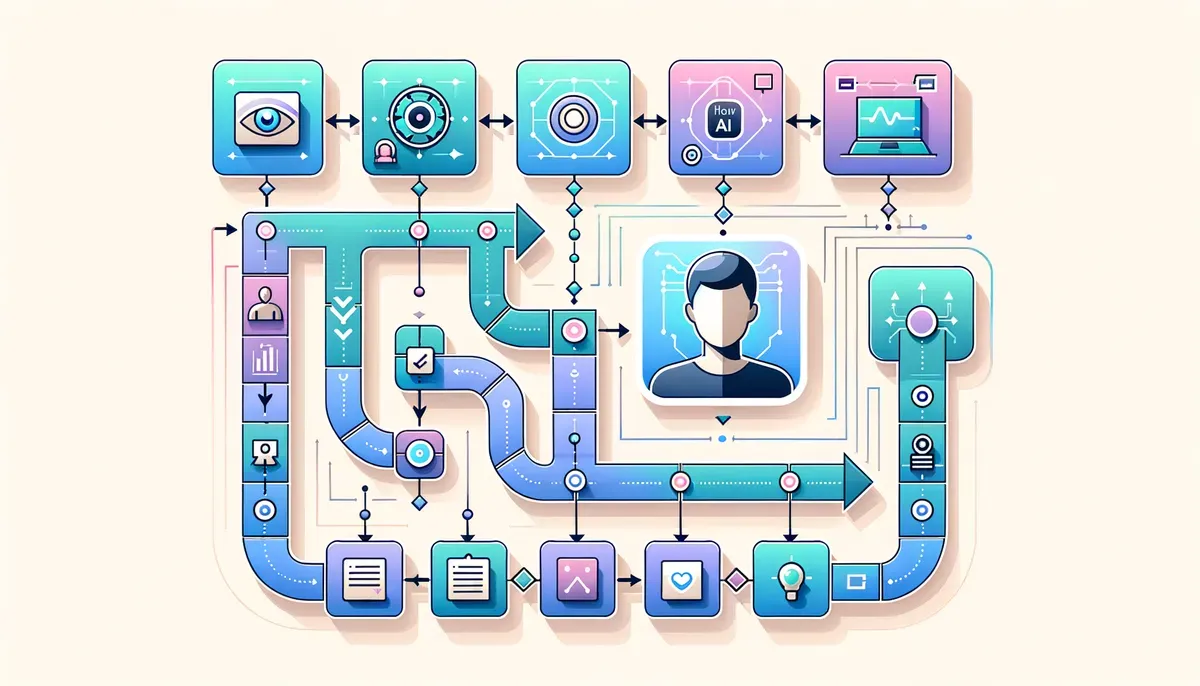
Microsoft is once again redefining productivity with its latest innovation: a new AI agent reminiscent of the previously released OpenClaw. As businesses increasingly seek ways to streamline operations and enhance efficiency, the introduction of this agent offers promising improvements in workflow automation. By building on the capabilities of existing tools like Cowork and Copilot Tasks, Microsoft aims to equip business professionals with innovative solutions to tackle repetitive tasks and boost productivity.
This article explores the various Microsoft AI agents, their applications, and their potential to transform business workflows.
Comparison of Microsoft AI Agents: Cowork vs Copilot Tasks
When evaluating Microsoft’s AI agents, it's crucial to understand the differences between Cowork and Copilot Tasks. Both tools serve to automate tasks, but they cater to distinct business needs and workflows.
| Feature | Cowork | Copilot Tasks |
|---|---|---|
| Primary Function | Collaboration enhancement | Task automation |
| Integration | Microsoft Teams, Outlook | Microsoft 365 applications |
| User Interface | Team-oriented dashboard | Task-centric interface |
| Ideal Users | Project managers, teams | Individuals, task-oriented users |
| Pricing | Part of Microsoft 365 suite | Part of Microsoft 365 suite |
Cowork is designed for teams seeking to enhance collaboration by providing a shared platform to manage projects and tasks collectively. Its seamless integration with tools like Microsoft Teams and Outlook makes it ideal for project managers and teams.
In contrast, Copilot Tasks emphasizes individual productivity, offering a more task-oriented approach. It helps users automate repetitive tasks across Microsoft 365 applications, making it suitable for professionals aiming to streamline their personal workflows.
Ultimately, the choice between Cowork and Copilot Tasks hinges on whether the focus is on teamwork or individual task management.
Applications of Microsoft AI Agents in Business
The potential applications of Microsoft’s new AI agent are vast and varied. Here are some practical use cases that can help businesses capitalize on these tools:
- Automating Routine Tasks: Businesses can harness AI agents to automate mundane tasks such as scheduling meetings, sending reminders, and organizing data. This can significantly reduce the time employees spend on administrative duties.
- Enhancing Communication: AI agents can improve communication within teams by summarizing discussions, tracking action items, and even suggesting follow-ups based on prior conversations.
- Data Analysis and Reporting: AI agents can assist in analyzing large datasets, providing insights, and generating reports automatically, which is invaluable during decision-making processes.
- Personalized Workflow Management: By learning user preferences and behaviors, AI agents can offer personalized task management solutions, prioritizing tasks that require immediate attention.
These applications underscore the versatility of Microsoft’s AI agents, making them valuable tools for any business looking to enhance operational efficiency and productivity.
Benefits of Using AI Agents for Workflow Automation
Incorporating AI agents into business processes brings numerous benefits:
- Time Savings: Automating repetitive tasks allows employees to focus on higher-value activities, thus boosting overall productivity.
- Increased Accuracy: AI agents reduce human error by consistently executing tasks according to specified parameters, leading to more reliable outcomes.
- Scalability: As businesses grow, AI agents can easily adapt to increased workloads without the need for additional personnel, simplifying the scaling of operations.
- Cost Efficiency: By automating tasks that would otherwise require multiple employees, businesses can lower labor costs and allocate resources more effectively.
Given these advantages, integrating Microsoft’s AI agents into existing workflows could yield substantial benefits for organizations of all sizes.
Future of AI Agents in Business Operations
Looking ahead, the development of AI agents like Microsoft’s new offering is poised for significant evolution. As machine learning and natural language processing technologies continue to advance, we can expect these agents to become more intuitive and capable of handling complex tasks.
Moreover, the integration of AI agents into business operations is likely to become increasingly widespread. Businesses that adopt these tools early will gain a competitive edge, leveraging automation to optimize their workflows and enhance productivity.
Recommendation
For business owners, operations managers, and professionals evaluating AI tools, it's wise to explore Microsoft’s AI agents further. Consider starting with Copilot Tasks for individual productivity enhancements or Cowork for team collaboration. Assess your specific workflow needs and determine how these tools can integrate into your existing systems to maximize efficiency and productivity.
Why This Matters
This development signals a broader shift in the AI industry that could reshape how businesses and consumers interact with technology. Stay informed to understand how these changes might affect your work or interests.