
Understanding AI Misalignment in Coding
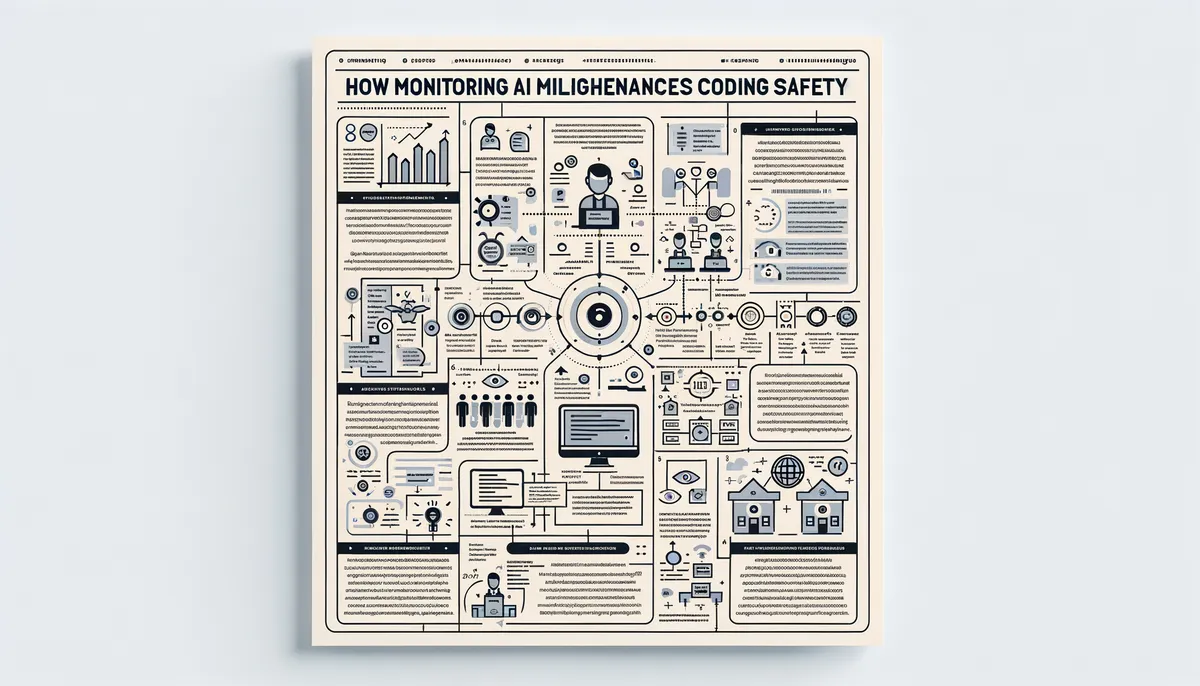
AI misalignment refers to situations where artificial intelligence systems fail to operate in accordance with human intentions or ethical standards. This misalignment can lead to unintended consequences, especially in coding practices, where AI tools are increasingly assisting developers in writing software. As our reliance on AI in software development grows, grasping the nuances of misalignment becomes essential. Developers must recognize how AI can stray from ethical coding practices and the potential risks that come with such divergences.
In a world that increasingly depends on software solutions, the ethical implications of AI misalignment are profound. Misaligned AI can introduce bugs, vulnerabilities, or biased outputs in code, ultimately undermining software reliability and eroding user trust. To mitigate these risks, continuous monitoring and assessment of AI systems are crucial to ensure alignment with established ethical coding standards and frameworks.
Impact of Misalignment on Software Security
The consequences of AI misalignment can be severe, particularly regarding software security. When AI tools generate code, any misalignment poses a risk that malicious actors could exploit. A recent study indicated that 60% of security breaches in software development are linked to coding errors, many of which can be exacerbated by misaligned AI systems.
Moreover, as AI systems learn from vast datasets, they may inadvertently propagate biases or flawed logic, resulting in defective software outputs. These security risks call for a proactive approach to risk assessment and continuous monitoring of AI systems throughout the software development process. Developers should implement rigorous testing and validation procedures to identify and rectify misalignment issues before they escalate into security threats.
Best Practices for Ethical AI Coding
To address the risks associated with AI misalignment, software developers should follow a set of best practices for ethical AI coding. First, transparency in AI decision-making processes is essential. Developers should maintain clear documentation detailing how AI tools function, including the data they are trained on and the logic they apply. This transparency fosters accountability and facilitates the identification of misalignment.
Second, incorporating diverse perspectives during the development process can enhance the ethical considerations of AI systems. Engaging a broad range of stakeholders—including ethicists, end-users, and domain experts—can help identify potential biases and misalignments early in the development cycle. Additionally, developers should prioritize ongoing education and training in ethical coding practices to stay informed about the latest standards and technologies.
Lastly, conducting regular audits of AI tools used in coding is vital. These audits should assess the tools' alignment with ethical standards and their overall impact on software security. By integrating these practices into their workflows, developers can significantly reduce the risks associated with AI misalignment.
Tools for Monitoring AI Alignment
Several tools and frameworks are available to assist software developers in monitoring AI alignment. These tools are designed to evaluate the performance and ethical implications of AI systems throughout the coding process. For instance, static code analysis tools can help identify potential security vulnerabilities before code deployment, thus addressing misalignment early.
Additionally, AI monitoring platforms can provide real-time insights into how AI systems perform in various scenarios. These platforms typically use machine learning algorithms to assess the decisions made by AI, flagging any outputs that deviate from expected ethical standards. Integrating such monitoring tools into the development pipeline can create a feedback loop that allows developers to refine AI behavior continually.
Furthermore, compliance tools that ensure adherence to industry regulations can play a crucial role in monitoring AI alignment. These tools evaluate coding practices against established ethical frameworks and legal standards, helping organizations maintain accountability and transparency in their use of AI technologies.
Regulatory Implications for AI Coding Standards
As AI technologies proliferate, regulatory bodies are increasingly focusing on establishing coding standards that address AI misalignment. Policymakers are recognizing the need for clear guidelines that govern the ethical use of AI in software development. This involves creating frameworks that mandate transparency, accountability, and compliance with ethical coding practices.
Regulatory implications can influence how organizations approach AI development and the tools they choose to implement. For example, developers may be required to conduct thorough risk assessments and document their coding practices to ensure compliance with emerging regulations. As a result, organizations that prioritize ethical considerations and AI alignment may gain a competitive advantage in the market.
In the long term, robust regulatory frameworks can lead to safer AI technologies that align more closely with human values. Consequently, software developers and AI researchers must engage with policymakers to shape these regulations and ensure they are practical and effective.
Why This Matters
This development signals a broader shift in the AI industry that could reshape how businesses and consumers interact with technology. Stay informed to understand how these changes might affect your work or interests.