
What Are Neural Computers?
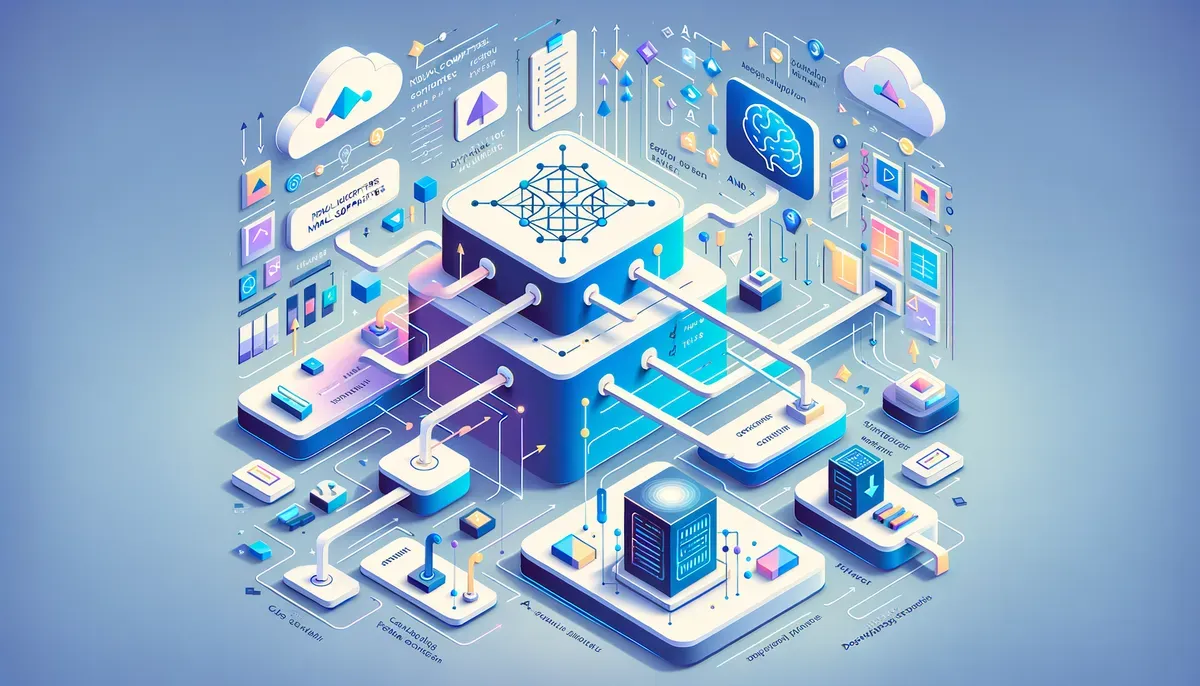
Neural computers represent a groundbreaking advancement in artificial intelligence, integrating computation, memory, and input/output into a single learned model. Researchers at Meta AI and the King Abdullah University of Science and Technology (KAUST) are exploring this innovative concept. For business owners and professionals assessing AI tools, neural computers offer a unique chance to streamline operations and enhance capabilities.
This integration enables more efficient data processing, which could reduce latency and boost performance across a range of applications. As organizations strive to leverage AI for a competitive edge, understanding the capabilities of neural computers can provide valuable insights for future technology investments.
Theoretical Advancements in Neural Computing
The proposed neural computing model marks a significant theoretical leap in AI technology. By merging computation and memory functions into a cohesive framework, neural computers can more closely mimic human cognitive processes than traditional models. This framework supports dynamic learning and adaptation, making it particularly advantageous for complex tasks that require real-time decision-making and learning.
Research suggests these systems can manage larger datasets and execute computations more efficiently than current models. For businesses, adopting neural computers could enhance data analytics, speed up processing times, and ultimately improve decision-making.
Integrating Computation and Memory
A standout feature of neural computers is their ability to integrate memory computation. Conventional AI models often separate memory storage from computation, resulting in inefficiencies and slower processing. In contrast, neural computers embed computation directly within their memory structures, facilitating quicker data access and processing.
This capability can greatly benefit businesses that depend on real-time data, such as those in financial services, logistics, and e-commerce. For instance, a logistics company could utilize a neural computer to optimize routing in real-time based on traffic data, significantly cutting delivery times and operational costs.
Potential Applications of Neural Computers
The potential applications of neural computers for AI tasks are extensive and diverse. Here are some key areas where these systems could have a significant impact:
- Healthcare: Neural computers could assist in diagnosing diseases by analyzing medical images and patient data more efficiently.
- Finance: They can enhance risk assessment models by quickly processing large datasets, leading to better investment strategies.
- Retail: Retailers could use neural computers to personalize customer experiences by analyzing shopping patterns and preferences in real-time.
- Manufacturing: In this sector, these systems could optimize supply chains and production schedules by integrating data from multiple sources.
By streamlining processes and improving data handling, neural computers could lead to substantial cost savings and efficiency gains across industries.
Research Insights from Meta AI and KAUST
The research conducted by Meta AI and KAUST underscores the transformative potential of integrating computation into neural networks. Their findings indicate that this model not only boosts efficiency but also introduces a new theoretical framework for AI processing. The researchers advocate for further exploration and development of these models to realize their full potential.
The implications for businesses are clear: investing in neural computing technology may position organizations at the forefront of AI innovation, enabling them to harness advanced capabilities that traditional systems cannot provide.
Future of AI with Neural Computing
As businesses increasingly turn to AI to fuel growth and efficiency, the evolution of neural computers for AI applications signifies a critical shift in how these technologies are developed and deployed. The ability to fold computation into neural networks opens new avenues for processing power and application versatility.
For professionals evaluating AI tools, considering the implications of these advancements is essential. The integration of computation and memory could pave the way for more sophisticated AI applications, enhancing predictive analytics, automation, and customer engagement strategies.
Takeaway
For business leaders and decision-makers, the insights from Meta AI and KAUST regarding neural computers provide a compelling reason to explore this technology further. By embedding computation directly into memory, neural computers promise to enhance efficiency and performance across a variety of applications. As AI continues to evolve, organizations that invest in neural computing could lead the way in innovation and operational excellence. Evaluating how this technology may be integrated into existing systems could be key to staying ahead of the curve.
Why This Matters
This development signals a broader shift in the AI industry that could reshape how businesses and consumers interact with technology. Stay informed to understand how these changes might affect your work or interests.