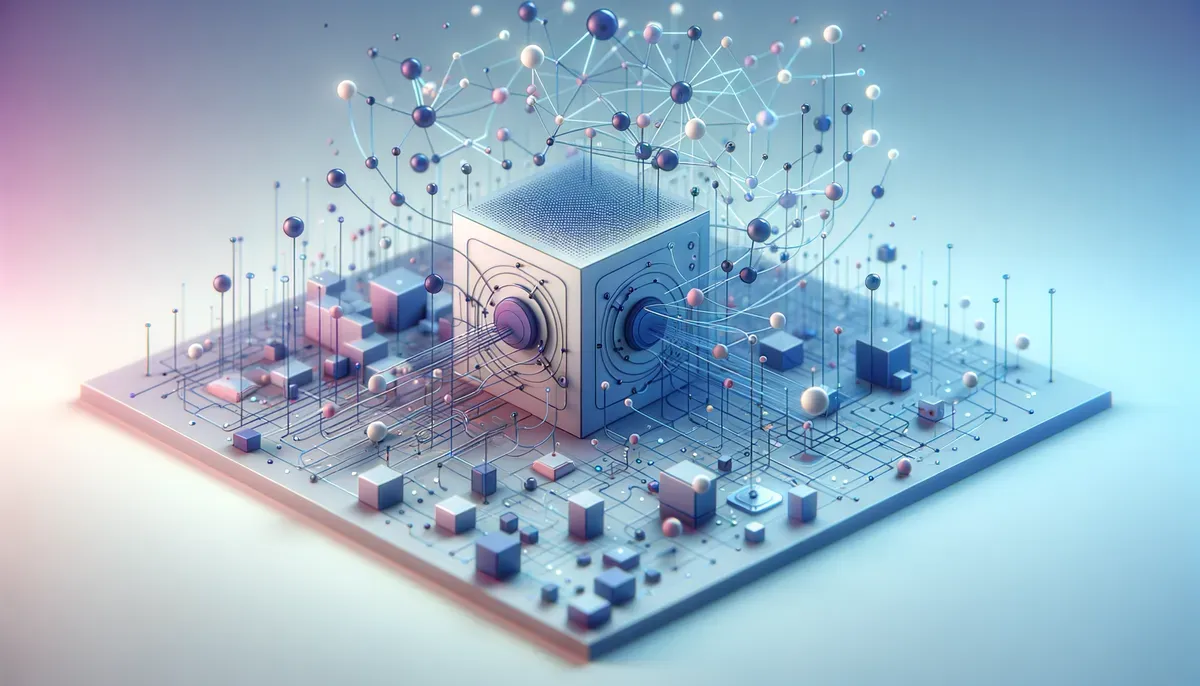
What Are Neural Computers?
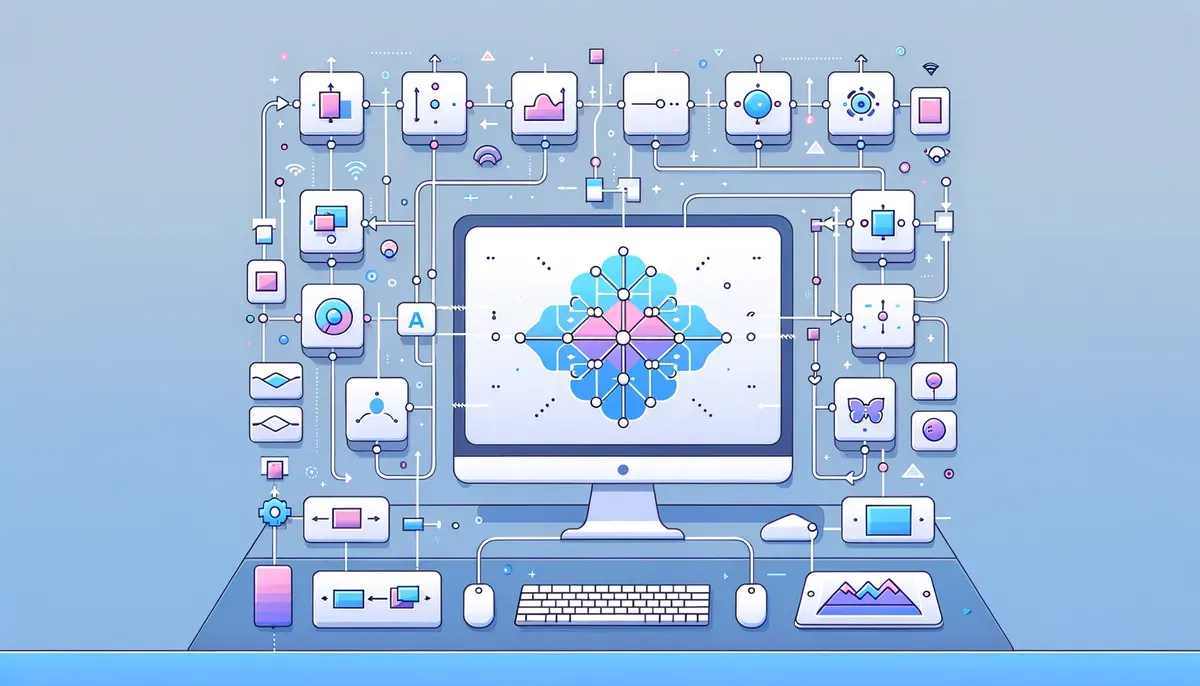
Neural computers present an innovative approach in the world of AI applications. Developed through a partnership between Meta AI and KAUST, these systems seamlessly integrate computation, memory, and input/output (I/O) into a unified model. This advancement aims to tackle significant inefficiencies found in traditional computing methods, where memory and processing tasks often operate separately. By merging these components into a single learned model, neural computers have the potential to enhance the speed and efficiency of AI tasks, making them an attractive option for businesses eager to leverage cutting-edge AI capabilities.
Integration of Computation and Memory
At the heart of neural computers is their integrated memory computation model. Unlike traditional AI systems that typically depend on distinct architectures for processing and memory storage—resulting in higher latency and resource consumption—neural computers embed memory directly within the computational framework. This allows for real-time data retrieval and processing.
This integration means businesses can expect reduced operational costs and enhanced performance when handling complex AI tasks. The ability to simultaneously process and store data presents a remarkable opportunity for industries reliant on data analysis and machine learning, such as finance, healthcare, and logistics.
Potential Applications of Neural Computers
The potential applications of neural computers are extensive and diverse. Here are some specific use cases where they could offer significant advantages:
- Real-time Data Processing: Industries that demand immediate insights from data, like financial trading or fraud detection, can benefit from the rapid processing capabilities of neural computers.
- Advanced Natural Language Processing (NLP): Organizations in customer service or content creation can utilize neural computers for more accurate and context-aware language generation, improving user interactions.
- Autonomous Systems: The integration of memory in real-time decision-making processes can boost the performance of self-driving cars and drones, where instantaneous data processing is essential.
- Healthcare Diagnostics: By facilitating simultaneous data analysis and storage, neural computers can support faster and more accurate medical imaging and diagnostics.
Theoretical Advancements in AI Technology
The joint research between Meta AI and KAUST has paved the way for significant theoretical advancements in AI technology. Their work introduces neural computers and proposes a theoretical framework for neural computers that could redefine how AI models are designed and implemented.
This new framework highlights the benefits of folding computation into neural networks, potentially leading to more sophisticated AI models that are both efficient and capable of managing complex tasks with fewer resources. For businesses, investing in neural computing technology could result in models that are not only faster but also more adept at learning from data over time.
Future of Neural Computing in AI
As organizations explore the integration of neural computers into their operations, several key factors will influence the technology's adoption and growth. A primary consideration is the cost of implementation. While investing in cutting-edge AI technology may appear substantial, the potential return in efficiency and performance can justify the expenditure.
In the coming years, we can expect a growing focus on neural computers for AI tasks across various sectors. The ongoing development of integrated models promises to create new opportunities for businesses to innovate and optimize their operations. As more companies embrace this technology, collaboration between AI researchers and industry practitioners will be essential to fully realize the potential of neural computing.
The Path Ahead
Neural computers signify a meaningful progression in AI technology, delivering integrated solutions that unify computation, memory, and I/O within a single framework. As businesses consider their options for adopting AI tools, grasping the implications of this technology will be crucial for making informed decisions.
The potential applications are vast, ranging from real-time data processing to advanced NLP capabilities, making neural computers a versatile choice across various industries. As the theoretical foundations of this technology continue to mature, early adopters may gain a competitive advantage in the swiftly evolving AI landscape.
Why This Matters
This development signals a broader shift in the AI industry that could reshape how businesses and consumers interact with technology. Stay informed to understand how these changes might affect your work or interests.