Introduction to Neural Computers
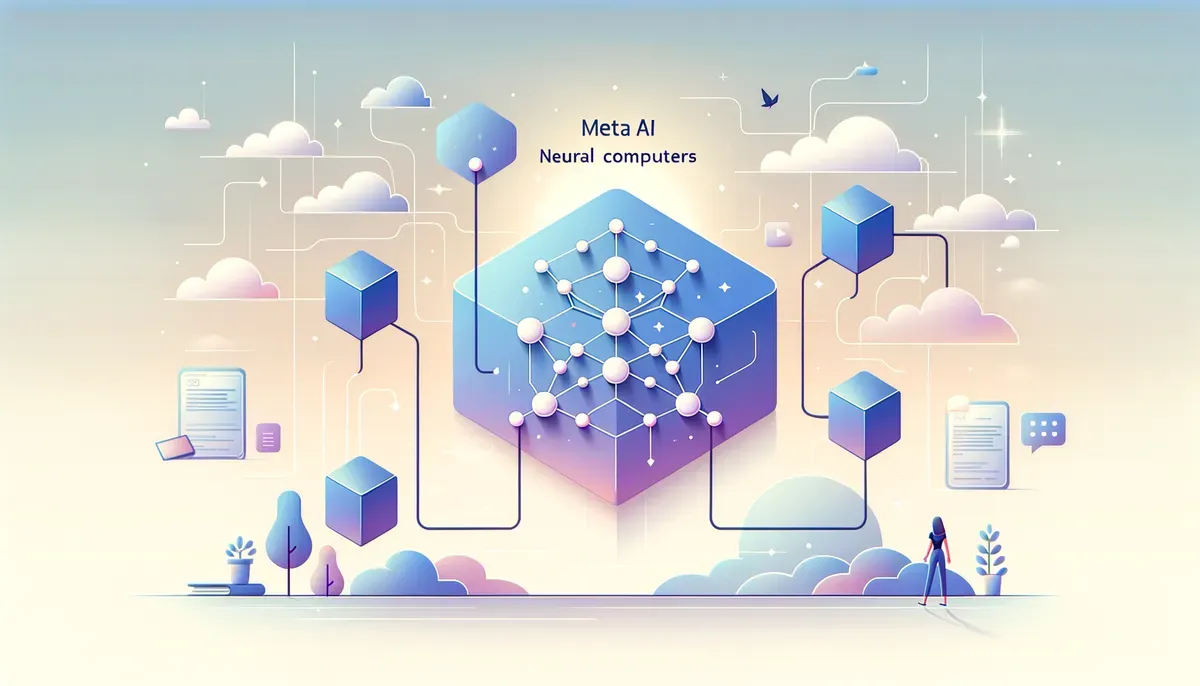
Artificial intelligence (AI) is advancing rapidly, with businesses constantly seeking more efficient ways to manage data and optimize operations. The neural computers proposal by Meta AI and researchers from KAUST introduces an exciting development in AI computing frameworks. By integrating computation, memory, and input/output (I/O) operations into a single neural network model, this proposal could reshape how organizations handle AI-driven tasks. As companies increasingly depend on AI for automation and decision-making, grasping these theoretical advancements is essential.
Theoretical Framework of Neural Computing
At the heart of the neural computers proposal lies a theoretical framework that blends traditional computing with the capabilities of neural networks. This framework positions neural networks not merely as tools for data processing but as the very architecture of computing systems. Central to this idea is the concept of folding computation and memory into one learned model. This innovative approach has the potential to simplify data retrieval and processing, resulting in faster and more efficient computations.
This integration allows for a smoother operation, enabling the neural network to manage both memory and computational tasks simultaneously. The result could be significant reductions in latency—a crucial factor for businesses that rely on real-time data analysis and processing.
Integration of Memory and Computation
One of the most compelling features of the Meta AI computing memory model is its ability to unify memory and computation. Traditional computing architectures often separate these functions, which can lead to bottlenecks in processing speeds. By merging these elements, the proposed neural computers can enhance operations, boosting performance and efficiency.
The implications for businesses are substantial. For instance, organizations that work with large datasets can expect faster retrieval times and more effective data processing. This integration means that AI models could learn and adapt more swiftly, allowing businesses to respond to market changes in real time.
Key Features of Integrated Neural Computing Systems
- Unified architecture: Combines memory and computation into a single framework.
- Reduced latency: Faster processing speeds due to integrated operations.
- Adaptability: Neural networks can learn from real-time data, enhancing responsiveness.
- Scalability: Businesses can scale their AI systems more effectively with integrated solutions.
Potential Applications of Neural Computers
The innovative concept of neural computers opens up numerous potential applications across various industries. Some notable use cases include:
- Healthcare: Enhanced diagnostic tools that analyze patient data in real time, leading to quicker and more accurate medical decisions.
- Finance: Real-time fraud detection systems that adapt to new patterns in transaction data, bolstering security and customer trust.
- Manufacturing: Intelligent systems that optimize production schedules and supply chain management, minimizing waste and increasing efficiency.
Moreover, the KAUST neural network innovations could pave the way for the creation of more sophisticated AI tools that better understand complex datasets than traditional models. This adaptability may decrease the time and resources spent on data preprocessing, allowing businesses to focus on core operations.
Implications for AI Research and Development
The neural computers proposal is more than just a theoretical exercise; it carries significant implications for AI research and development. As organizations seek to implement more advanced AI solutions, understanding the potential of integrated systems will be increasingly vital. Researchers and machine learning engineers must explore how these models can be effectively designed, trained, and deployed.
Additionally, the move toward integrated systems may inspire further innovations within the field. By combining computational intelligence with memory capabilities, researchers can unlock new opportunities for AI applications, expanding the boundaries of what is currently possible.
Considerations for Businesses
While the potential benefits of neural computers are promising, businesses should also weigh the challenges of adopting new technologies. Key considerations include:
- Investment: The initial costs for developing and implementing these systems may be considerable.
- Training: Staff may need additional training to fully leverage the capabilities of integrated neural computing systems.
- Scalability: Businesses must assess whether their current infrastructure can support these advanced systems.
The neural computers proposal by Meta AI and KAUST signifies a substantial advancement in AI computing frameworks. By folding computation, memory, and I/O into a single learned model, businesses can anticipate faster and more efficient AI applications. As organizations evaluate their AI strategies, understanding the implications of these theoretical advancements will be critical for maintaining competitiveness.
For businesses ready to embrace this change, investing in research and development around integrated neural computing systems could yield substantial returns. With the potential to enhance operational efficiency and improve responsiveness to market demands, neural computers could become a foundational element of future AI applications. Now is the time for organizations to explore these innovations and consider how they can leverage them for growth and success.
Why This Matters
This development signals a broader shift in the AI industry that could reshape how businesses and consumers interact with technology. Stay informed to understand how these changes might affect your work or interests.