
Enhancements in OpenAI Agents SDK
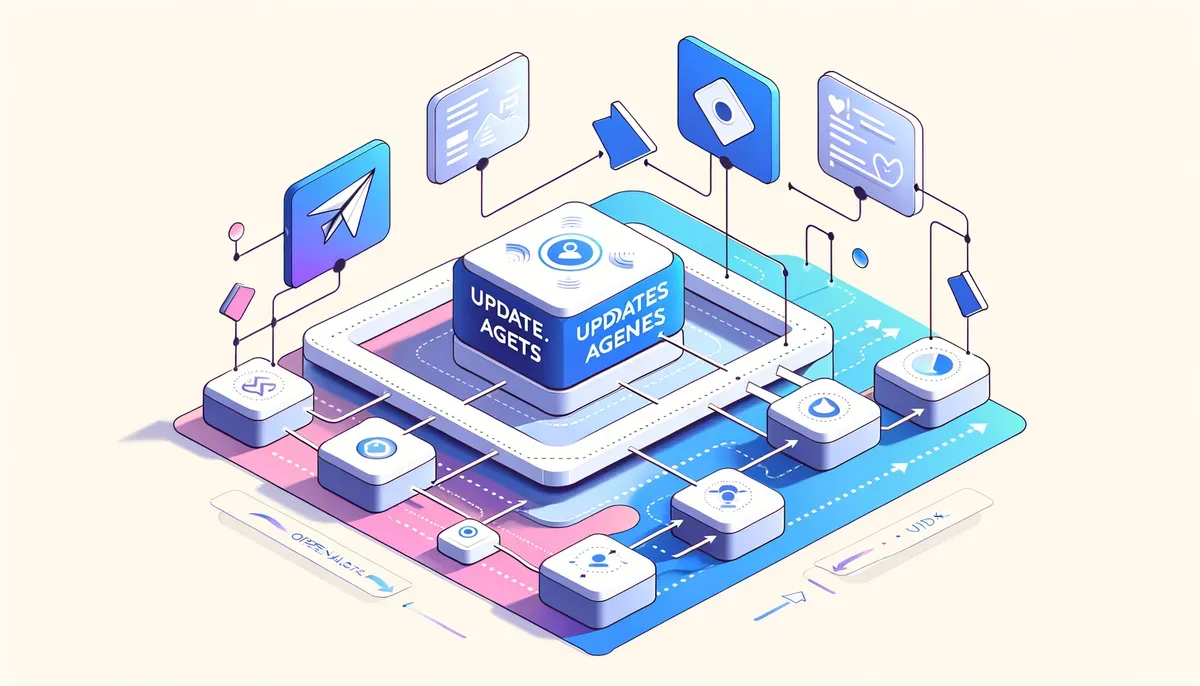
OpenAI has recently updated its Agents SDK, marking a pivotal enhancement aimed at boosting agent capabilities for enterprises. As businesses increasingly seek to integrate AI into their operations, the demand for more sophisticated and safer AI agents has never been more pressing. This updated toolkit introduces functionalities that empower developers to create agents capable of handling complex tasks, improving decision-making processes, and enhancing customer interactions. Such advancements reflect a growing need for agentic AI across various business environments.
The enhancements prioritize efficiency and safety, addressing common concerns regarding the reliability and ethical implications of deploying AI agents in enterprise settings. Now, the SDK offers a more robust framework featuring improved natural language processing, better context understanding, and a user-friendly interface that simplifies implementation.
How to Build AI Agents for Enterprises
Building AI agents using the OpenAI Agents SDK involves several deliberate steps that require a solid understanding of both the toolkit and the unique needs of your business. Here’s a concise guide on how to build AI agents effectively:
- Define Objectives: Clearly outline the tasks you want the AI agent to handle. Whether it’s customer support, data analysis, or process automation, having a focused goal is essential.
- Leverage the SDK Features: Utilize the updated features of the Agents SDK, such as advanced language models and safety layers, to ensure your agents perform their tasks effectively and ethically.
- Iterate and Test: Build a prototype of your agent and conduct rigorous testing. This step is crucial for refining the agent's capabilities and ensuring its reliability in real-world applications.
- Deploy and Monitor: Once built and tested, deploy your agent within your operational framework. Continuous monitoring and feedback gathering will help optimize performance over time.
The flexibility of the enterprise agent-building toolkit allows developers to customize agents to meet specific business needs, making it an excellent choice for enterprises eager to leverage AI technologies effectively.
Best Practices for Safer AI Agents
As businesses adopt AI agents, ensuring their safety and reliability is paramount. Here are some best practices for safer AI agents:
- Implement Safety Protocols: Use the safety features provided in the OpenAI Agents SDK to prevent harmful behaviors and ensure ethical usage of AI technology.
- Regular Updates: Keep your agents updated with the latest capabilities and safety enhancements from the SDK to mitigate risks associated with outdated technology.
- User Feedback Incorporation: Actively seek user feedback and integrate it into your agent's design. This helps identify potential issues and improve user satisfaction.
- Clear Communication: Ensure users understand the capabilities and limitations of the AI agents. Transparent communication helps manage expectations and reduces frustration.
These practices not only enhance the safety of AI agents but also help build trust among users and stakeholders, which is critical for widespread adoption.
Capabilities of OpenAI Agents Explained
The latest updates to the OpenAI Agents SDK have significantly expanded the capabilities of OpenAI agents. Some key features include:
- Natural Language Understanding: Enhanced language models enable agents to interpret and respond to user queries with greater accuracy.
- Contextual Awareness: Agents can maintain context over longer interactions, offering a more coherent and human-like experience.
- Task Automation: Capable of automating repetitive tasks, agents can free up human resources for more strategic activities.
- Integration Options: The SDK allows for seamless integration with existing enterprise systems, including CRM and ERP platforms.
These capabilities make the OpenAI Agents SDK a powerful tool for businesses seeking to implement AI-driven solutions adaptable to various operational needs.
Enterprise Applications of Agentic AI
The applications of agentic AI in enterprises are vast and varied. Here are a few notable use cases:
- Customer Support: AI agents can handle customer inquiries 24/7, providing instant responses and allowing human agents to focus on more complex issues.
- Data Analysis: By automating data collection and analysis, AI agents can uncover insights faster than human teams, facilitating quicker decision-making.
- Marketing Automation: AI agents can personalize marketing campaigns by analyzing customer behavior and preferences, leading to increased engagement and sales.
- Operational Efficiency: Automation of routine tasks helps streamline operations, reduce errors, and enhance overall productivity.
These applications demonstrate the potential of AI agents to improve operational efficiency while also driving business growth.
Future of AI Agents in Business
The future of AI agents in business appears bright, particularly with the advancements made through the OpenAI Agents SDK updates for enterprises. As companies continue to explore AI capabilities, we can anticipate even more sophisticated agents capable of managing increasingly complex tasks.
The focus on safety and ethical considerations will likely shape the development of AI agents, ensuring businesses can deploy these technologies confidently. Additionally, as integration with other business systems improves, AI agents will become even more integral to enterprise operations.
Why This Matters
This development signals a broader shift in the AI industry that could reshape how businesses and consumers interact with technology. Stay informed to understand how these changes might affect your work or interests.