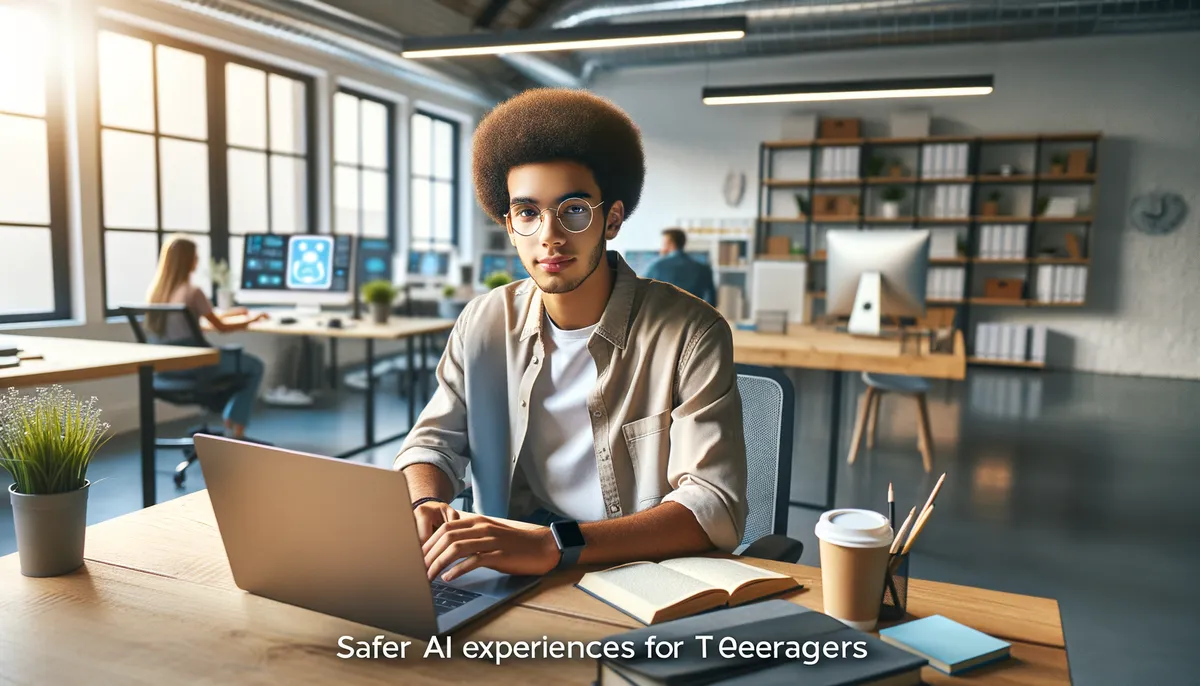
Understanding Teen Safety in AI
The integration of artificial intelligence (AI) into everyday life has raised significant concerns regarding the safety of younger users. As teenagers increasingly engage with AI systems, it becomes crucial to address the age-specific risks that accompany these technologies. With the rise of AI applications in education, entertainment, and social interaction, the potential for exposure to harmful content also grows. Research indicates that teens are particularly vulnerable to issues such as cyberbullying, misinformation, and inappropriate content. This reality highlights the necessity for robust safety measures tailored to their unique needs.
OpenAI has taken a proactive stance in this arena by introducing prompt-based safety policies designed to assist developers in moderating these risks effectively. These policies enhance the safety of AI experiences for teenagers, fostering a more secure interaction between youth and technology. As developers implement these guidelines, the potential for creating safer AI environments increases significantly.
The Role of Developers in Ensuring Safety
Developers are at the forefront of creating AI systems that prioritize safety for all users, particularly teenagers. Their responsibilities extend beyond merely coding applications; they must also consider the ethical implications of their creations. By adhering to established developer policies, they can ensure that AI systems are designed with safety in mind.
OpenAI's new safety policies provide a framework that encourages developers to integrate safety features into their products proactively. This involves understanding the unique challenges teenagers face online and employing strategies to mitigate risks. Tools like the gpt-oss-safeguard offer a structured approach to identifying and managing content that may be harmful to younger audiences. This collaborative effort between developers and AI providers is essential for fostering safer digital spaces for teenagers.
Evolution of AI Safety Measures for Youth
The approach to AI safety measures has evolved significantly over the past few years. Initially, safety protocols were often reactive, addressing issues only after they arose. However, with the growing recognition of the potential dangers posed by AI, a shift towards proactive safety measures is now evident.
OpenAI's introduction of prompt-based policies marks a pivotal moment in this evolution. By providing developers with clear guidelines on implementing safety features, OpenAI enables a more anticipatory approach to risk management. These policies not only aim to protect teens from immediate threats but also cultivate a culture of safety and responsibility among developers. This evolution reflects an increasing societal awareness of the critical need to safeguard younger users in digital environments.
Challenges in Moderating AI Experiences
Despite advancements in safety measures, moderating AI experiences for teens presents numerous challenges. One significant hurdle is the sheer volume of content generated by AI systems, making it difficult to monitor and manage effectively. Additionally, the rapid pace of AI development can outstrip existing moderation strategies, leading to gaps in protection.
Moreover, the diverse interests and behaviors of teenagers complicate the task of creating a one-size-fits-all moderation approach. Developers must balance the need for creative expression and engagement with the imperative to shield users from harmful content. This balancing act requires continuous refinement of moderation techniques and a steadfast commitment to ethical AI development.
The Impact of GPT-OSS-Safeguard on Teen Safety
The gpt-oss-safeguard framework represents a significant advancement in enhancing teen safety within AI systems. By leveraging this technology, developers can implement tailored moderation processes that address the specific risks associated with adolescent users.
This framework enables real-time content analysis, allowing developers to flag or filter inappropriate materials before they reach the end user. Moreover, it provides a mechanism for feedback and iteration, allowing developers to refine their approaches based on user interactions and reported incidents. The impact of such a tool is profound, as it directly contributes to creating a safer online environment for teenagers navigating AI applications.
Future Directions for AI and Teen Protection
Looking ahead, the future of AI and teen protection will likely involve further collaboration between developers, policymakers, and stakeholders in education and mental health. As the conversation surrounding AI safety continues to evolve, it will be essential to stay ahead of emerging threats and adapt to new challenges.
Investments in research and the development of innovative safety measures will be critical. Additionally, fostering a community of responsible developers who prioritize ethical considerations in their work can create a more secure digital landscape for teens. By continually refining and expanding upon existing safety policies, the industry can work towards a future where AI serves as a positive force in the lives of young users.
As AI becomes more intertwined with the daily lives of teenagers, it is crucial that developers embrace their role in ensuring safety. OpenAI's efforts to introduce comprehensive safety policies signify a step in the right direction, but the journey toward fully secure AI experiences for teens continues. With a commitment to ethical practices and ongoing improvement, the potential for creating safe AI environments is promising.
Why This Matters
This development signals a broader shift in the AI industry that could reshape how businesses and consumers interact with technology. Stay informed to understand how these changes might affect your work or interests.