
What is the VimRAG Multimodal RAG Framework?
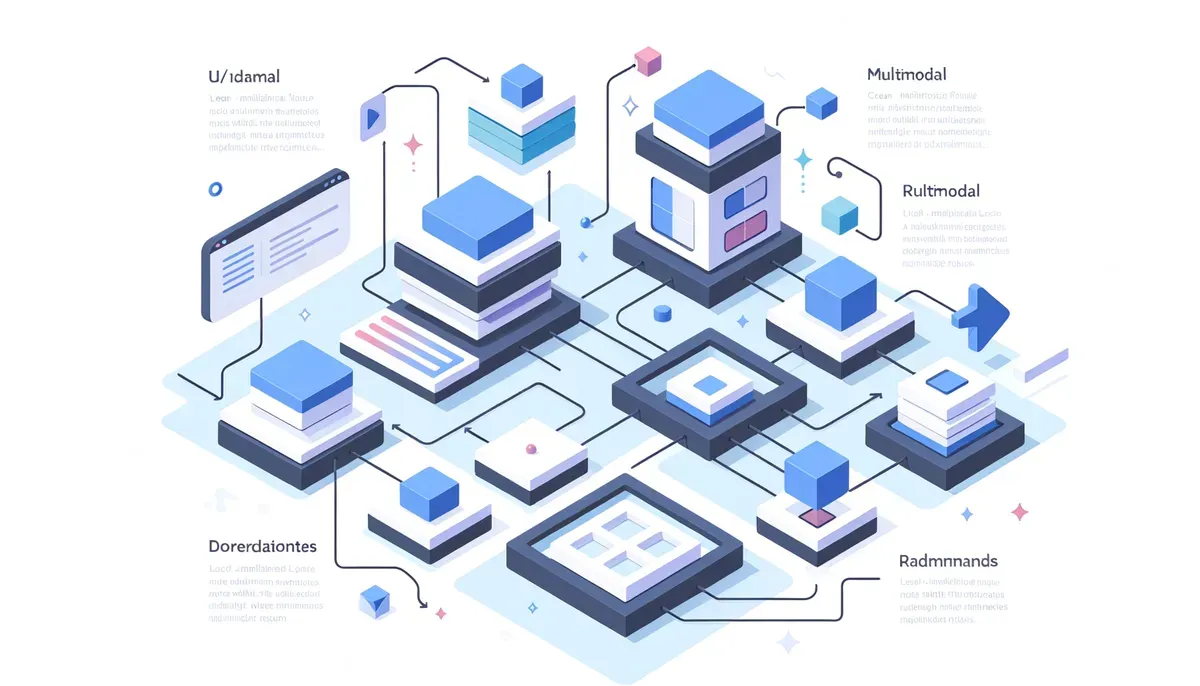
Alibaba's Tongyi Lab has recently unveiled the VimRAG multimodal RAG framework, a powerful new tool designed to enhance the integration of visual data in AI workflows. At its core, VimRAG utilizes a memory graph to navigate vast visual contexts, enabling more efficient retrieval-augmented generation (RAG) processes. This innovation not only aims to improve the performance of large language models but also facilitates robust multimodal applications across various industries.
The RAG methodology has already gained traction for grounding language models in external knowledge. However, VimRAG takes this concept further by incorporating visual context, which is vital for applications that range from image recognition to automated content generation. With the rise of AI tools for visual data, businesses are continually exploring ways to harness multimodal AI to automate processes and enhance operational efficiency.
How to Use VimRAG for Visual Data Processing
Using the VimRAG framework involves several steps designed to help professionals effectively manage and process visual data. Here’s a straightforward guide to get you started:
- Data Preparation: Begin by compiling a dataset that includes both textual and visual information. This could involve pairing images with descriptive text or including other relevant metadata.
- Memory Graph Construction: Develop a memory graph that illustrates the relationships between various data points. This graph will be essential for navigating through visual contexts.
- Retrieval Processes: Implement retrieval mechanisms that enable the model to access relevant visual data during the generation phase. This can significantly enhance the quality of the model's output.
- Integration into Workflows: Finally, incorporate VimRAG into your existing AI workflows or applications. Whether in customer service, marketing, or content creation, visual context is key.
The pricing for implementing VimRAG varies based on your project scale and the resources required for integration. However, Alibaba typically offers competitive pricing structures for businesses that adopt their AI technologies.
Innovative Approaches in Retrieval-Augmented Generation
VimRAG represents a fresh approach to retrieval-augmented generation by blending visual data with traditional text-based methods. Conventional RAG frameworks often rely solely on textual information, which limits their utility in visually driven contexts. With the introduction of visual context navigation AI, businesses can now enrich their AI applications with a more diverse data tapestry.
For example, marketers can harness VimRAG to craft personalized ad campaigns that seamlessly integrate images and text. By leveraging the memory graph's ability to understand the relationships between visual elements and narratives, companies can achieve higher engagement rates and more effective communication with their audiences.
Enhancements in Visual Context Navigation with AI
The enhancements brought about by the VimRAG framework are particularly significant. By utilizing a memory graph, VimRAG enables deeper insights and more intelligent navigation through visual data. This capability is especially beneficial in sectors like e-commerce, where understanding product images in relation to customer queries can greatly enhance user experience.
Key enhancements include:
- Contextual Understanding: The ability to relate images to textual queries improves the accuracy of responses generated by AI systems.
- Dynamic Learning: As the memory graph evolves with new data, the AI becomes increasingly adept at understanding visual contexts over time.
- Scalability: VimRAG can be scaled across various applications, from chatbots that better understand images to recommendation systems that provide contextually relevant visuals.
Practical Applications of Memory Graphs in AI Workflows
The practical applications of memory graphs in AI workflows are extensive. Here are a few notable use cases where VimRAG can be effectively deployed:
- Customer Support: AI-driven chatbots can utilize visual context to assist customers more effectively by understanding and referencing images related to their queries.
- Content Creation: For marketers, integrating VimRAG can streamline the content creation process, enabling the generation of rich media that combines text and visuals seamlessly.
- Healthcare: In medical imaging, AI systems can leverage visual data to aid in diagnostics, using memory graphs to pull relevant historical cases and visual references.
Businesses can implement these applications either as standalone solutions or as enhancements to existing AI systems, thus maximizing their ROI.
Future of Multimodal AI: Trends and Innovations
The future of multimodal AI looks bright, with tools like the VimRAG framework leading the way. As organizations increasingly recognize the importance of integrating visual data into their workflows, we can anticipate more innovations in this space.
Key trends to watch include:
- Increased Adoption of Memory Graphs: More companies will likely embrace memory graph technologies to enhance their AI models' contextual understanding.
- Broader Use Cases: As the technology continues to mature, expect a rise in applications across industries such as finance, education, and entertainment.
- Collaboration Between AI and Human Creatives: The synergy between AI tools like VimRAG and human creativity will redefine how businesses approach tasks such as marketing and product design.
The VimRAG multimodal RAG framework holds significant potential for businesses looking to leverage visual data in their AI applications. By integrating this innovative tool, organizations can enhance operational efficiency and improve customer engagement. For those interested in exploring multimodal AI, adopting VimRAG could be a strategic next step.
Why This Matters
This development signals a broader shift in the AI industry that could reshape how businesses and consumers interact with technology. Stay informed to understand how these changes might affect your work or interests.